
Vascular Malformations
by Lilyveth Mesa
 What Are Vascular Malformations?
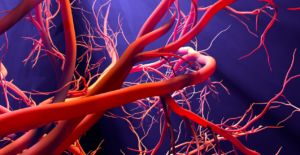
Vascular malformations are abnormalities of blood vessels or lymphatic vessels that often develop before birth. They are not caused by anything a parent does, and they are not infections or cancers (1,2). Many remain unnoticed until childhood or adulthood, when they start to grow, change, or cause symptoms.
Common Types
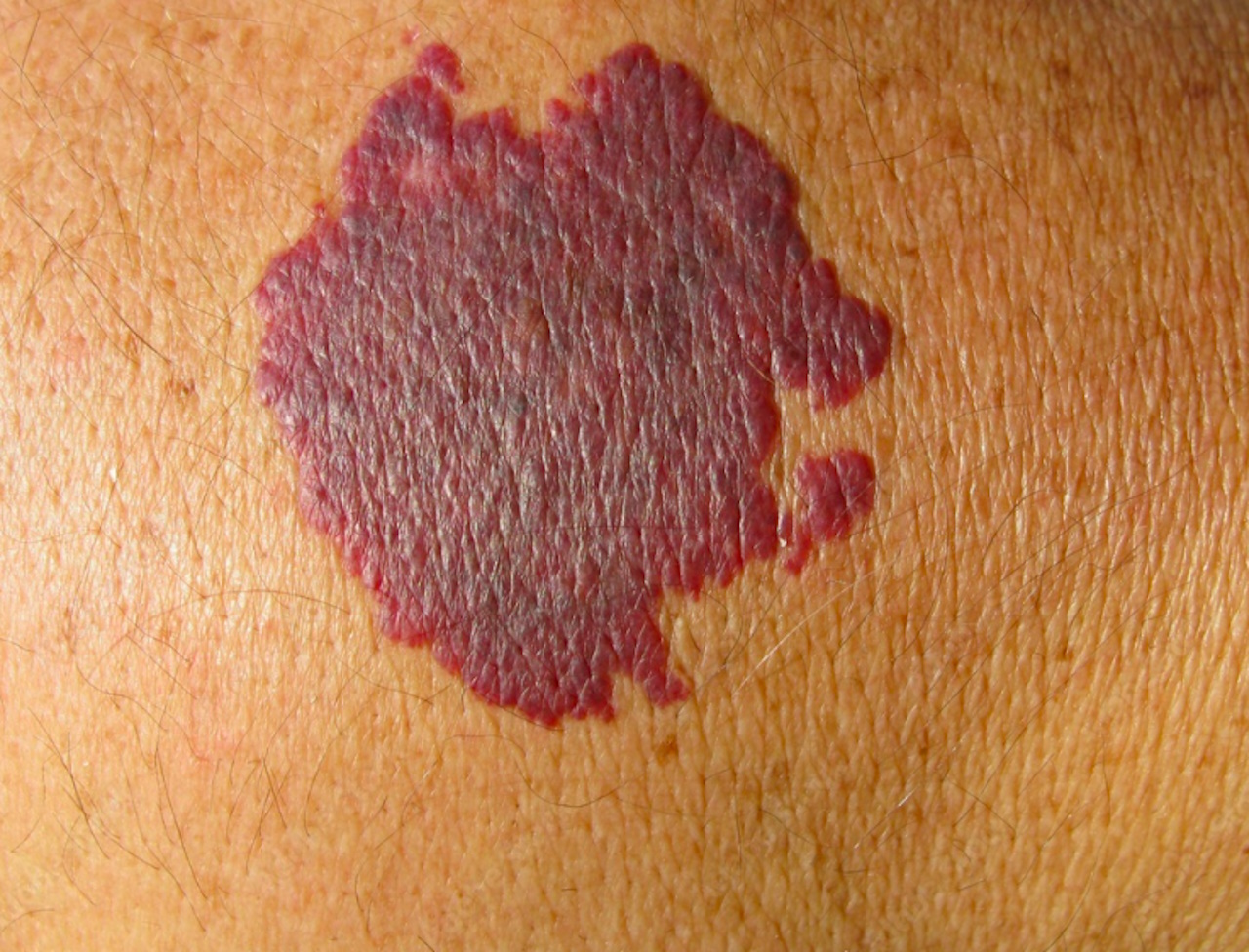
Common examples include venous malformations, capillary malformations (port-wine stains), and lymphatic malformations (2,4,5). More complex lesions, such as arteriovenous malformations (AVMs), involve direct connections between arteries and veins (3,4).
Symptoms
Symptoms depend on the type and location. Venous malformations often appear as soft, blue areas that may swell or become painful, especially with activity (4). Capillary malformations are flat red or pink marks usually present at birth (2). Lymphatic malformations contain fluid-filled sacs that can swell, become infected, or interfere with function (2). AVMs may cause pulsation, pain, bleeding, or affect deeper organs, including the brain and heart (1,3).
Diagnosis
Diagnosis usually begins with a physical exam and may include imaging such as ultrasound or MRI to understand the vessels involved (4,5).
 Multidisciplinary Care
Because vascular malformations can affect the skin, muscles, bones, or internal organs, many centers recommend multidisciplinary care (2,3,5). Teams may include dermatology, interventional radiology, surgery, hematology, and physical therapy. This coordinated approach allows doctors to create a personalized plan that addresses medical needs, appearance, function, and emotional well-being.
Treatment Options
Treatment depends on the type and severity of the malformation. Sclerotherapy can shrink abnormal vessels (2,5). Laser therapy can lighten capillary malformations (5). Surgery may be recommended when pain, bleeding, or functional problems occur (4). Embolization, commonly used for AVMs, blocks abnormal blood flow inside the vessel (3,4).
Living With a Vascular Malformation
Living with a vascular malformation can be stressful, particularly if it affects appearance or daily activities. Regular follow-up with your doctor, monitoring, and support from a multidisciplinary team help most people maintain a good quality of life (1,4).
When to Reach Out to Your Doctor
Contact your doctor or care team if you notice new swelling, pain, color changes, bleeding, signs of infection such as warmth, redness, or fever, or if your malformation begins to interfere with daily activities. Your healthcare team can determine if treatment, imaging, or follow-up is needed, and they are available to answer questions and provide support at any time.
References
- https://www.mayoclinic.org/diseases-conditions/arteriovenous-malformation/symptoms-causes/syc-20350544
- https://www.childrenshospital.org/conditions/vascular-malformations
- https://www.ninds.nih.gov/health-information/disorders/arteriovenous-malformations-avms
- https://my.clevelandclinic.org/health/diseases/23409-vascular-malformations
- https://www.hopkinsmedicine.org/health/conditions-and-diseases/vascular-malformations
 The images for this article were provided by the author.
Lilyveth Mesa is from Miami, Florida, and is a third-year medical student at the University of Rochester School of Medicine and Dentistry. She is part of the university’s Latin Health Pathway, where she focuses on improving care for Spanish-speaking communities. Originally from Cuba, Lily immigrated to the United States at a young age. Helping her family navigate the health care system shaped her commitment to providing compassionate care to Spanish-speaking patients. In her free time, she enjoys being with loved ones, going to the beach, and traveling.
