
Our Community, Our Memories
Alzheimer’s in the Latino Community: A Conversation We Can No Longer Avoid
by Raquel Singletary, Program Manager Bilingual, Alzheimer’s Association Rochester & Finger Lakes Region Chapter
In many Latino families, memory loss is often explained away with phrases such as, “Es la edad,” (“It’s just age” ) “Está envejeciendo” (“They’re getting older”), or “Siempre ha sido olvidadizo” (“They’ve always been forgetful).” Out of love and respect for our elders, we sometimes avoid difficult conversations about changes in memory, behavior, or thinking. Yet Alzheimer’s disease and other dementias are affecting Latino families at disproportionately high rates, making these conversations more important than ever.
As a Puerto Rican woman, ordained minister, and Program Manager for the Alzheimer’s Association, Rochester and Finger Lakes Region Chapter, I have the privilege of walking alongside families every day as they navigate the challenges of Alzheimer’s disease and other dementias. I have listened to caregivers who are exhausted but deeply committed to caring for a loved one. I have met adult children struggling to understand what is happening to a parent. And I have spoken with individuals who wish they had sought answers sooner.
The reality is that Alzheimer’s disease is one of the most significant public health challenges facing our nation. Today, more than 7 million Americans are living with Alzheimer’s disease. Hispanics and Latinos are approximately 1.5 times more likely than non-Hispanic Whites to develop Alzheimer’s disease or another dementia during their lifetime.
These statistics matter here at home. Monroe County is home to approximately 75,000 Hispanic and Latino residents, and nearly 20% of Rochester’s population identifies as Hispanic or Latino. As our community continues to grow and age, so does the need for education, awareness, support, and culturally relevant resources.
While my work focuses on Rochester and the Finger Lakes region, the need for culturally relevant Alzheimer’s education and caregiver support extends to Latino communities throughout Upstate and Central New York. In Syracuse, approximately 10% of residents identify as Hispanic or Latino, representing about 15,000 people. As Latino communities across the region continue to grow and age, these conversations become increasingly important.
This issue is deeply personal to me. Throughout my years of community service and ministry, I have seen firsthand the strength, resilience, and compassion of Latino families. I have also seen the challenges many face when a loved one begins experiencing memory loss or cognitive decline. Too often, families struggle in silence, unsure where to turn for answers or support. In my work, I often meet families who tell me they waited months—or even years—to seek help because they believed memory loss was simply part of aging. By the time they reach us, many wish they had known sooner that support and resources were available.
Today, in my role with the Alzheimer’s Association, I have the privilege of connecting families to education, support groups, community resources, and hope. Every conversation reinforces the same message: our community needs more awareness, more understanding, and more opportunities to talk openly about brain health.
One of the greatest strengths of Latino culture is our commitment to family. Many of us believe strongly in caring for our loved ones at home. While this dedication is admirable, it can also mean that caregivers carry tremendous responsibilities without realizing help is available. Many are balancing caregiving with work, ministry, raising children, and other family obligations. No one should have to navigate Alzheimer’s disease alone.
Another challenge facing our community is stigma. Families may hesitate to seek help because they fear judgment, misunderstand the symptoms, or believe memory loss is simply a normal part of aging. The truth is that Alzheimer’s disease is not a normal part of aging. While occasional forgetfulness can happen to anyone, persistent memory loss, difficulty completing familiar tasks, confusion about time or place, challenges with communication, and changes in judgment may be signs that something more serious is occurring. Early detection can help families access support, plan for the future, and take advantage of available treatments and services.
Over the past year, I have made it a priority to engage Latino pastors, ministers, and faith leaders throughout Rochester and the Finger Lakes region. These leaders are trusted voices within their congregations and often serve families during life’s most difficult moments. Through conversations with clergy from dozens of churches, one thing has become clear: there is a growing desire for information and resources that can help faith communities better support families affected by Alzheimer’s disease and other dementias.
Across Rochester and the Finger Lakes, we are blessed with a vibrant Latino faith community. In the Rochester area alone, more than 80 Latino churches serve individuals and families every week. For many people, pastors, ministers, and church leaders are among the first individuals they turn to during times of uncertainty, grief, illness, or caregiving challenges. Faith leaders are uniquely positioned to help reduce stigma, encourage conversations about brain health, and connect families to trusted information and support services.
That is why we are proud to host our second Latino Faith Leaders Breakfast on Thursday, August 13, 2026, at 8:00 a.m. Building on the relationships established through our inaugural gathering, this event will bring together pastors, ministers, church leaders, healthcare professionals, and community organizations committed to supporting Latino families. Together, we will discuss the impact of Alzheimer’s disease, available resources, and practical ways faith communities can respond with compassion, understanding, and support.
This event is free, but registration is required. If you are a pastor, minister, church leader, or represent a faith-based organization, I encourage you to join us. Community organizations interested in sharing resources with attendees are also welcome to reach out.
To learn more, register for the event, or access free Alzheimer’s and dementia resources in English or Spanish, contact me at rsingletary@alz.org or call the Alzheimer’s Association’s free 24/7 Helpline at 800-272-3900.
Alzheimer’s disease may affect memory, but it does not erase dignity, purpose, faith, or love. As a community, we have an opportunity to ensure that every person living with Alzheimer’s and every caregiver walking this journey knows they are seen, valued, and supported. That conversation begins with awareness, continues through education, and grows stronger when families, faith communities, healthcare providers, and community leaders come together to care for one another.
Because caring for our memories is also a way of honoring our history, our families, and future generations.
The conversation can no longer wait.
About the Author – Raquel Singletary is a Program Manager with the Alzheimer’s Association Rochester & Finger Lakes Region, where she leads bilingual outreach, education, and community engagement efforts in Rochester and Monroe County. She is also an ordained minister and community leader who has spent more than three decades serving the Latino community. Through her work, she is committed to ensuring that Latino families have access to culturally relevant Alzheimer’s and dementia education, resources, and support.
Sources and Data References
- Alzheimer’s Association 2026 Alzheimer’s Disease Facts & Figures Report
- Alzheimer’s Association Hispanic/Latino and Alzheimer’s Disease Resources
- U.S. Census Bureau Quick Facts: Rochester, New York and Syracuse, New York
- Monroe County demographic and community profile data
- Syracuse demographic and community population data
- New York State and U.S. Census population estimates
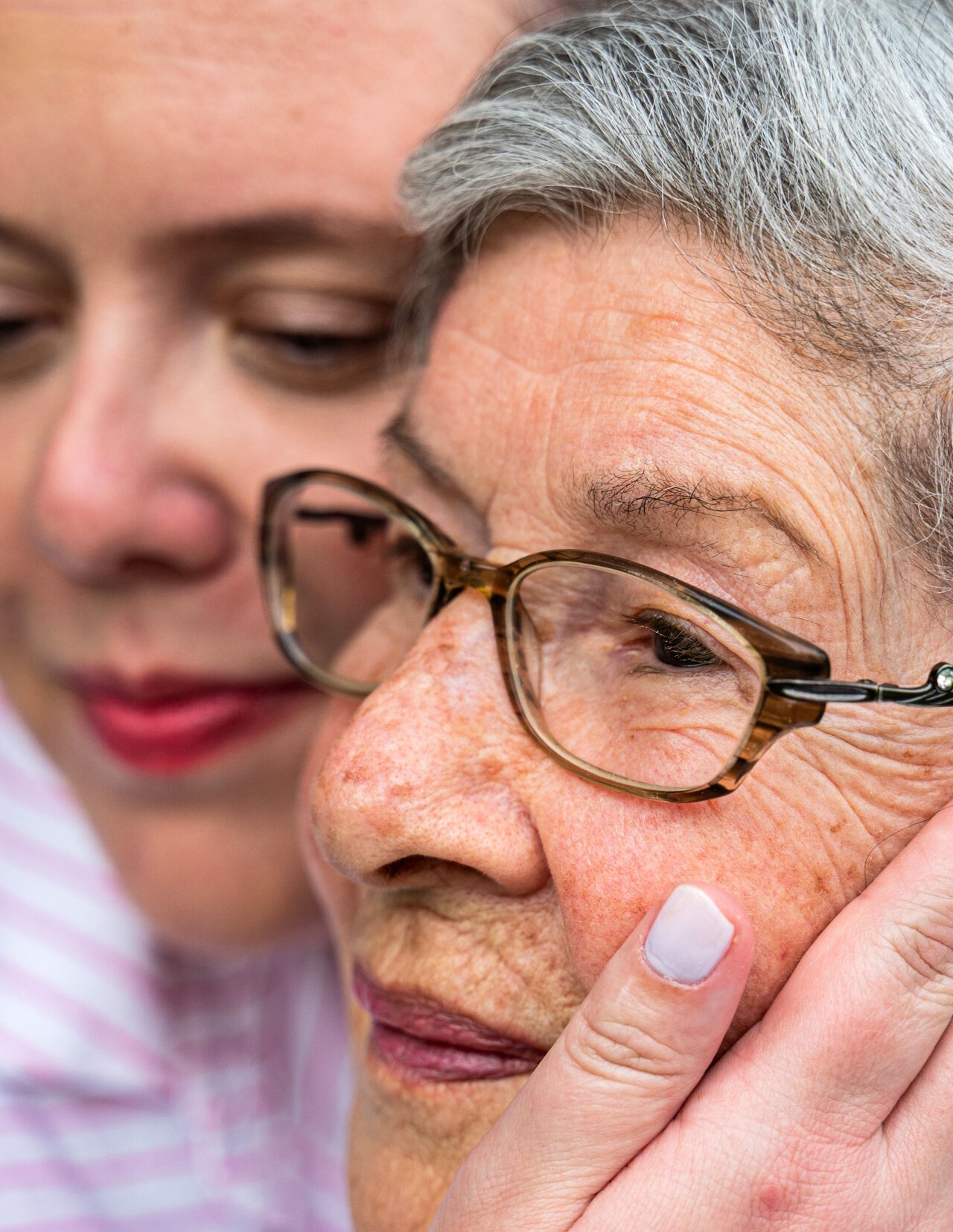
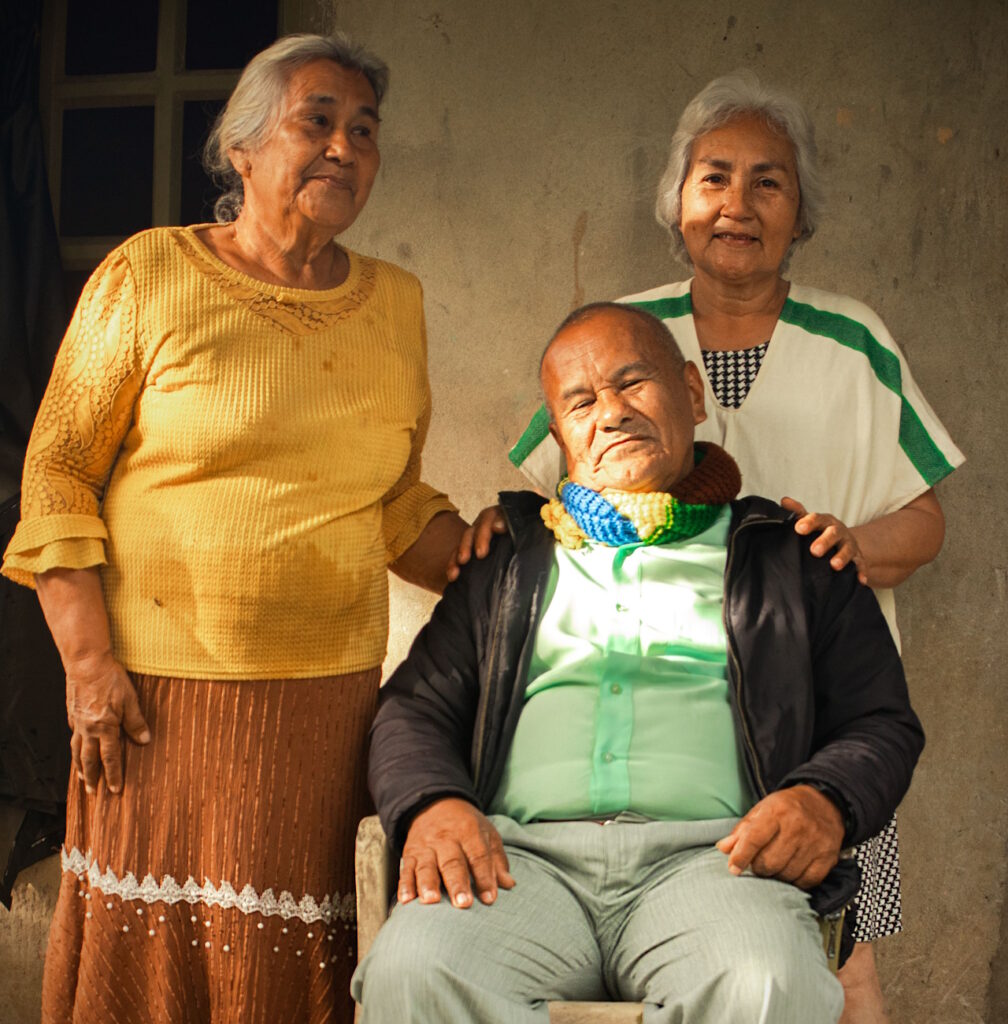
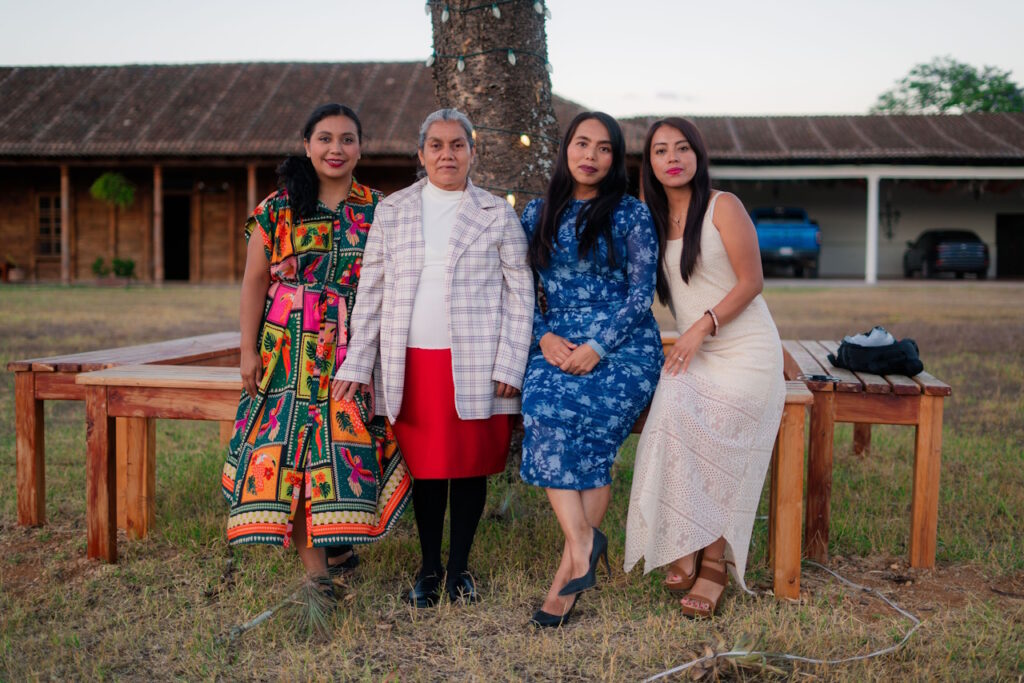
Photo of a tender moment between generations by Priscilla Cezar, photo of smiling elderly woman and man by Yanery Villarraga Tole and photo of four Generations women in an outdoors at event by eduardo199o9 by pexels.com